
Updated July 2026
LinkedIn is consistently one of the strongest lead sources for B2B marketers. In 2026, roughly 80% of B2B social media leads come from LinkedIn, and 97% of B2B marketers now use the platform for content marketing. This traces back to a 2012 HubSpot study that first found LinkedIn generating visitor-to-lead conversion rates nearly three times higher than Facebook and X (formerly Twitter), and the platform has only strengthened its lead since. Recent data even puts LinkedIn’s cost per lead at around 28% lower than Google Ads, with roughly double the conversion rate once a visitor lands.
LinkedIn now has over 1.2 billion members worldwide, and that number keeps climbing. Yet only around 1% of members post original content on a weekly basis, even though those who do generate an estimated 9 billion impressions a week between them. It’s a statistic LinkedIn hasn’t failed to notice.
For B2B marketers, this reluctance of the majority to use the most widely used social platform for business users to share original content should be leveraged to their advantage.
While it may be quick and easy to create short posts to attract attention and drive traffic to your blogs, e-books and other content, many marketers are not yet taking advantage of one of LinkedIn’s most powerful features, LinkedIn Articles.
Since September 2021, the ability to publish long-form articles, up to 125,000 characters in the body with a 100-character title, as opposed to 3,000 characters on a standard post, has been rolled out to all company pages.
LinkedIn Articles appear in searches within LinkedIn, but more importantly, they also show up on Google organic searches. You may choose to publish identical content on LinkedIn as you do in your blog; chances are, having the word LinkedIn appear in the URL will see the LinkedIn article ranking higher on Google.
The LinkedIn algorithm considers dwell time as one of its top indicators of engagement. Longer content takes longer to read; the dwell time followers spend on your company page will increase.
With only 3,000 characters in a regular post, it doesn’t allow much room to publish in-depth and thoughtful content. Articles are an opportunity to do just that. The longer content allows you to showcase your expertise and authority on a particular subject to your regular followers and those who may be scoping you out.
The more quality in-depth content you post using the article format, the more your network will begin to see you as a go-to place for authoritative opinion.
Post old blog content that is still relevant or evergreen in the LinkedIn publishing platform. The fact it should show up on Google searches may result in more exposure, and potentially some new leads, from a piece of work that was near its sell-by date!
The name of the game when it comes to winning on any social media platform is to create quality content that your intended audience engages with. The LinkedIn Articles platform lets you create longer-form, in-depth content right there on the site. It’s easy to share from there, so it’s reasonable to assume that if people like it, they may well share it.
Posting the same content on your website may reach a few thousand visitors per month but by publishing on LinkedIn Articles you could potentially reach millions.
Since the original version of this piece was written, LinkedIn has built out Newsletters as a companion format to Articles, and it’s worth knowing the difference before you commit to one.
A LinkedIn Newsletter is, technically, an Article with subscriber distribution layered on top. When you publish an issue, subscribers get an in-app notification and an email, a direct touchpoint that bypasses the feed algorithm entirely. Articles, by contrast, rely on the feed and search to find readers, with no subscriber list attached.
In practice, Articles work best for one-off, SEO-driven, evergreen pieces you want Google to find long after you’ve published them. Newsletters work best for regular, recurring content where you want to build a direct, loyal readership over time. Many brands now use both: Articles to attract new readers through search, Newsletters to retain and re-engage the readers they’ve already won.
LinkedIn’s article editor has some limitations compared to dedicated blogs. Customisation is limited in comparison, and you may not have full control over formatting and design.
LinkedIn’s feed moves quickly. Articles can get buried beneath newer content within a short period.
Unlike evergreen content on a personal blog or website, LinkedIn articles may have a shorter lifespan in terms of visibility and engagement.
Here’s what we tell clients before they hit publish, and what we follow ourselves.
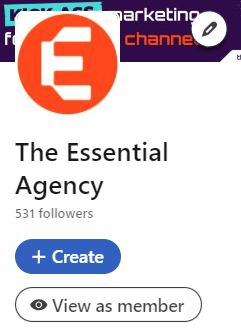
2. Add a title and a cover image (1920×1080 pixels)
3. Start writing your content and use the custom tools to personalise your content. Don’t forget to add images or visuals to add interest

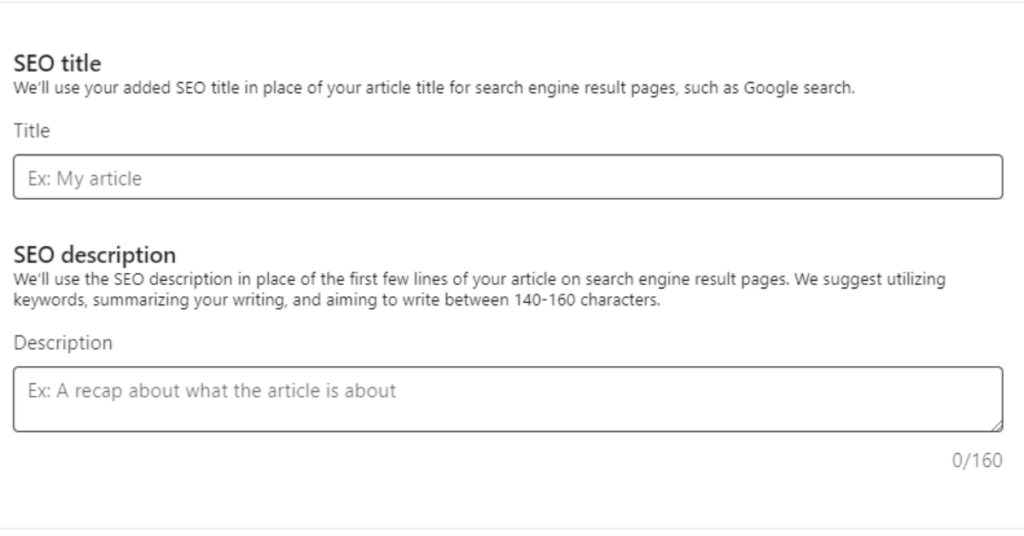
4. Don’t forget to add your SEO title description!
5. Press ‘next’ and get ready to publish your content. It will open up your article so you can share it, as a post, in your feed.
Read more: Eight ways to use LinkedIn polls for business
Read more: 5 Things They Don’t Tell You About LinkedIn Sponsored Content
Don’t worry! If you need help with creating Kick-Ass content, our content marketing team are experts and they’re happy to help!